

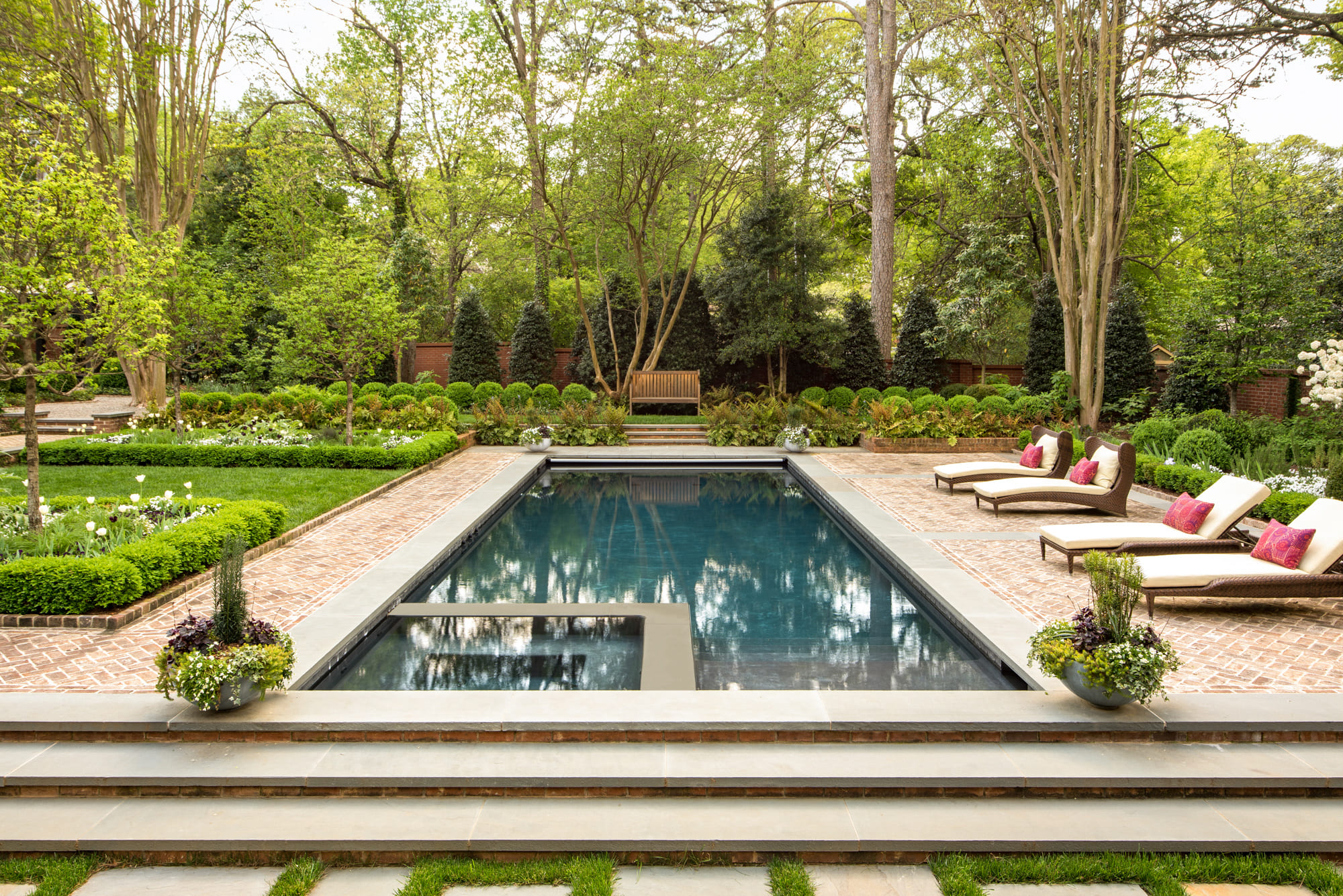
The decision to install a concrete pool is often one that homeowners contemplate over the course of many weeks, months, or even years. So, once you decide to pull the trigger, it feels like you have already done your waiting. You might find yourself wondering, “How long is this actually going to take?”
The honest answer is that a concrete pool is not a weekend project. Most concrete pool installation projects take 3 to 6 months from contract signing to your first swim, though some projects land outside that range depending on several factors.
Let’s explore a realistic breakdown of what to expect when building a concrete pool.
Phase 1: Design, Permitting, and Pre-Construction (4-8 Weeks)
Before your contractor breaks ground, there’s important groundwork to cover (literally and figuratively).
What happens during this phase:
- Final design selections and engineering drawings
- Submission of permit applications to your local municipality
- HOA approvals (if applicable)
- Utility marking and site preparation
Permitting is often the part homeowners underestimate most. Depending on your county or city, permits can take anywhere from two weeks to well over a month to be approved. This process isn’t something a reputable pool builder will shortcut. These permits protect you legally and ensure your pool is built to code.
In the Charlotte area and surrounding communities, timelines can vary by jurisdiction. Working with a builder who has existing relationships with local permitting offices makes a real difference here.
Phase 2: Excavation and Steel (1-2 Weeks)
Once permits are in hand, your project can start moving faster, and you might notice things getting a lot louder in your backyard.
What this phase includes:
- Excavation of the pool shell
- Installation of the steel rebar framework
- Plumbing and electrical rough-in
- Inspection by local building authority
The steel rebar skeleton is what gives concrete pools their strength and longevity. A quality builder won’t skimp on this step. Tight placement of #4 rebar is the gold standard, and adhering to that standard – even though it’s more costly to build it this way – has a real impact on the structural integrity of the pool for decades to come.
Phase 3: Concrete Application (1-3 Days)
Naturally, one of the most important steps in building a concrete pool is adding the concrete. Shotcrete is the gold standard here (an engineered, ultra-high strength concrete mix), but gunite is another specialty concrete that is commonly used. The specialized concrete is sprayed over the steel framework under high pressure, creating the shell of the pool.
Phase 4: Tile, Coping / Decking, and Equipment Installation (2-4 Weeks)
While the concrete application is relatively quick, it needs to cure to achieve its full strength. During this time, the shell is typically kept damp to prevent cracking.
However, while the concrete cures, your contractor will often begin work on some of the finishing elements that define the look and feel of your pool and the surrounding space.
This phase covers:
- Waterline tile installation
- Coping (the stones around the edge of the pool)
- Paver or natural stone decking
- Preparing for plaster / water fill by installing the appropriate equipment and ensuring all necessary gas and electrical connections are ready to go
This phase is highly dependent on your design and functionality choices. More intricate tile patterns, custom coping, or expansive deck areas will naturally extend the timeline. Additionally, mobile app-based automation systems, water features, and powerful spa / cold plunge packages can expand the required equipment configuration. While these details can be complicated and (in some cases) elongate the timeline, the end result is worth it. These are the details that transform a pool into an outdoor living space.
Phase 5: Interior Finish (1 Day)
The interior finish is the final surface of your pool (what you’ll actually touch and see underwater). Options typically include:
- Traditional Plaster: Classic, smooth, and budget-friendly
- Pebble Finishes: Premium look and longevity with a rough “pebble” feel
- Polished Aggregates: Combines durability and premium aesthetics with a smooth feel
Phase 6: Chemical Startup and Final Inspections (1-2 Weeks)
The finishing application is fast, but the chemical startup process that follows (balancing water chemistry as the pool fills) takes 20 – 30 days of careful attention. A proper startup, consistent with the guidelines published by the National Plaster Council, protects your finish and sets the chemistry baseline for years of easier maintenance.
This final stretch also includes:
- Building inspections and sign-off
- Final tests and checks
A thorough builder will walk you through your equipment (“Pool School”), answer your questions, and make sure you’re comfortable before calling the project complete. They will also ensure that the pool is well cared for going forward, to ensure that chemistry or equipment complexities don’t get in the way of your enjoyment.
What Can Affect Your Concrete Pool Installation Timeline?
Even a perfectly planned project can run into delays. Here are the most common culprits:
- Weather: Heavy rain or freezing temperatures can pause many of these phases
- Soil conditions: Rocky or unstable soil can complicate excavation
- Permit delays: Some municipalities are simply slower than others
- Material availability: Specialty tile, coping, or equipment delivery can have wait times
- Change orders: Mid-project design changes almost always add time
The best time to start your concrete pool installation project is late fall through early spring. If you find yourself outside of this window, the second best time to start working with a contractor on your project is right now. Reputable builders will likely have a backlog to work through, so the sooner you make the call the sooner you can start swimming, hosting pool parties, and enjoying your dream backyard.
Choose B&B Pools of the Carolinas: Charlotte-Area Concrete Pool Installation
At B&B Pools of the Carolinas, we’ve been building concrete pools in the greater Charlotte area since 1991. Our team will give you a realistic timeline upfront, and we have the experience, connections, tools, and expertise to build a pool you’ll love for a lifetime.
We proudly serve the concrete pool installation needs of Charlotte and surrounding communities, including Lake Norman, Myers Park, Ballantyne, Davidson, and beyond. If you’re ready to get started, reach out to our team today.